

1. Core components and functions
Motor
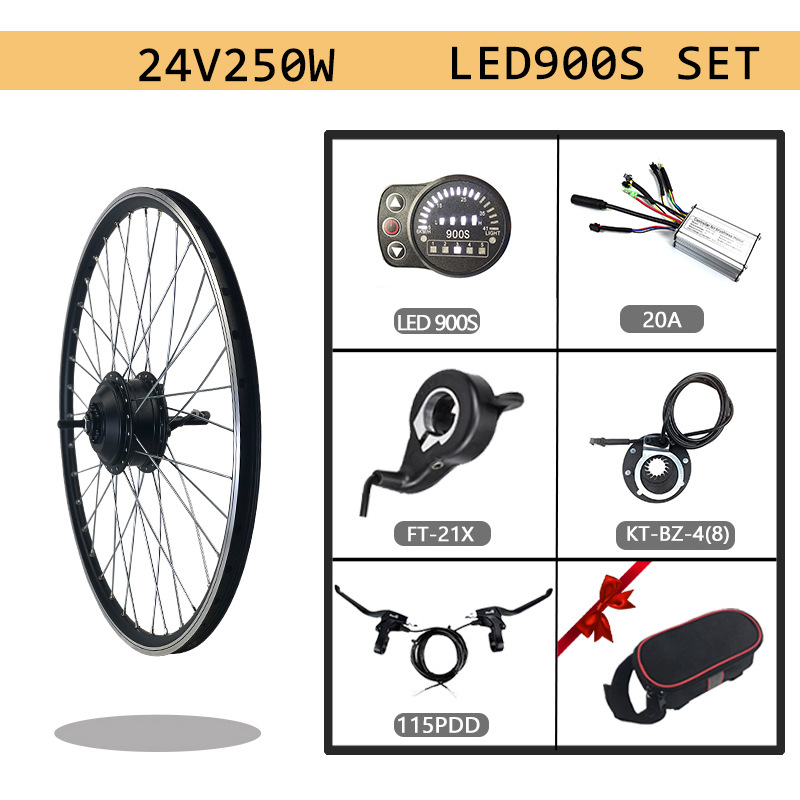
Function: Convert electrical energy into mechanical energy to drive the wheels to rotate.
Type:
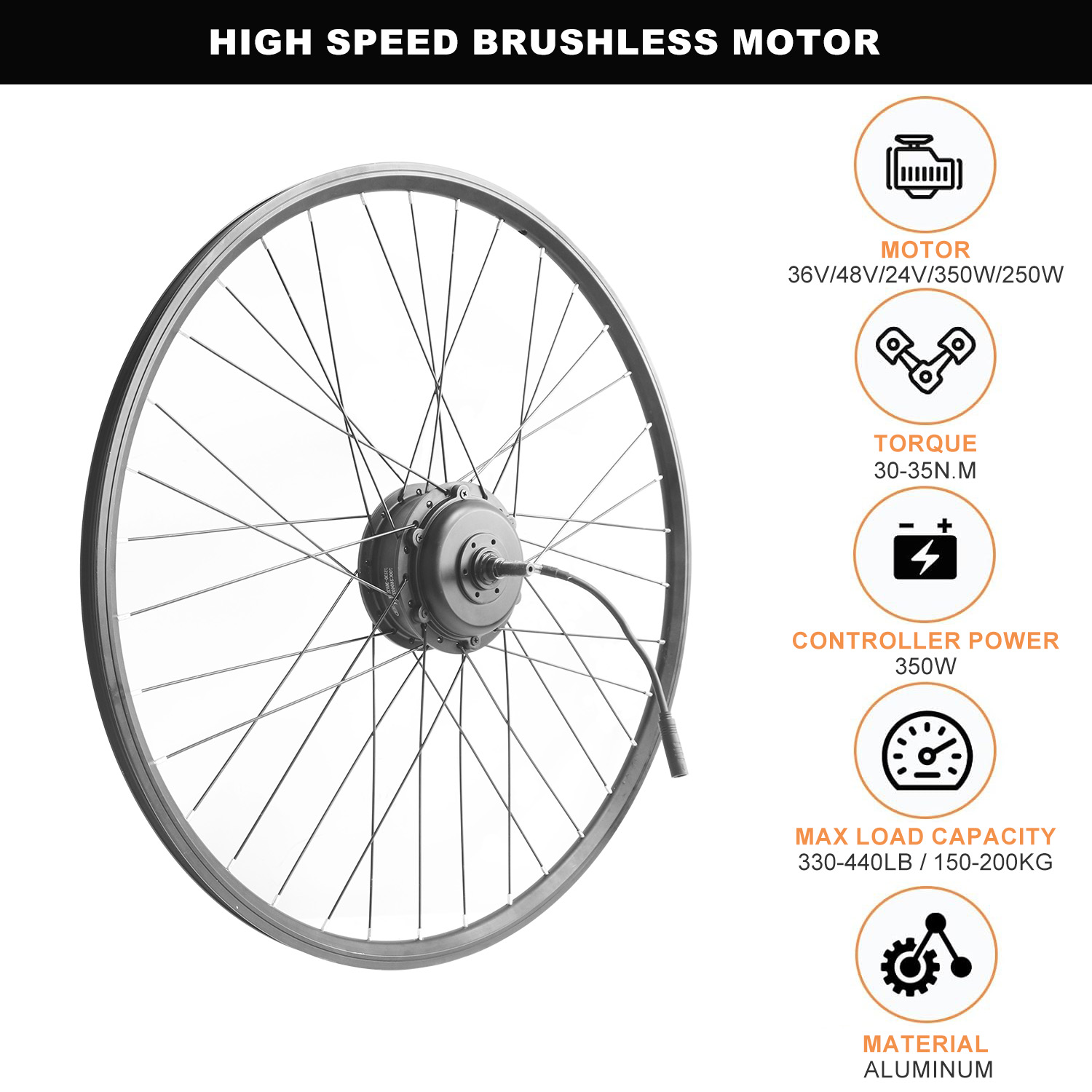
Hub motor: directly integrated into the wheel hub, easy to install, suitable for rear-wheel drive (common in commuter models).
Mid-mounted motor: installed in the five-way position of the frame, transmits power through the chain, and has a more balanced weight distribution, suitable for sports models (such as mountain bikes and road bikes).
Key parameters: power (such as 250W, 500W, 1000W), speed, torque (affects climbing ability).
Battery
Function: Store and provide electrical energy, determine the range.
Type:
Lithium battery: high energy density, light weight, long life (mainstream choice).
Lead-acid battery: low cost, but heavy weight and short life (gradually eliminated).
Key parameters: voltage (36V, 48V), capacity (Ah), energy (Wh=V×Ah).
Controller
Function: Adjust the motor power output, manage battery charging and discharging, and switch the power-assist mode (such as human + electric hybrid mode).
Function: Overload protection, temperature control, and communication with the dashboard.
Sensor
Type:
Cadence sensor: Adjust the power-assist intensity by detecting the pedal rotation frequency.
Torque sensor: Measure the pedaling force and provide more accurate power-assist response (standard for high-end kits).
Function: Realize "human-electric synergy" and enhance the natural feeling of riding.
Display
Function: Display data such as speed, power, power-assist mode, mileage, etc., and some support Bluetooth connection to mobile phone APP custom settings.
Auxiliary components
Throttle/push speed regulator: Control vehicle speed in pure electric mode.
Brake power-off switch: Automatically cut off motor power when braking to improve safety.
Wire harness and connector: Integrate the circuits of various components to ensure stable signal transmission.
2.Kit type and power selection
Classification by motor position
Hub motor kit:
Advantages: Simple installation and low cost (suitable for users with limited budgets).
Limitations: Weight is concentrated on the wheels, affecting handling; wheel replacement requires matching motor parameters.
Mid-mounted motor kit:
Advantages: Balanced weight distribution, suitable for full suspension models; supports DIY wheel upgrades.
Limitations: Complex installation, high price (e.g. Bafang M600 mid-mounted motor kit is about 800-1200).
Classification by power
250W-500W:
Applicable scenarios: urban commuting, mild climbing (e.g. EU regulations limit the maximum power to 250W).
Endurance: 48V 10Ah battery supports about 40-60 kilometers.
750W-1000W:
Applicable scenarios: mountain off-road, long-distance travel (e.g. the US market allows higher power).
Endurance: The same capacity battery supports about 30-50 kilometers (energy consumption increases at high power).
1500W and above:
Applicable scenarios: freight, special modification (pay attention to local regulations).
3. Application scenarios and recommended solutions
Urban commuting
Recommended kit: hub motor (such as 36V 250W) + lithium battery (36V 10Ah).
Advantages: light, quiet, and long-range to meet daily needs.
Mountain off-road
Recommended kit: mid-mounted motor (such as 48V 1000W) + high-torque sensor + double-layer aluminum alloy wheel set.
Advantages: strong power output, adaptable to complex terrain; support DIY upgrades.
Long-distance travel
Recommended kit: large-capacity battery (48V 17.5Ah) + high-efficiency motor (such as 500W gear motor).
Advantages: range of more than 100 kilometers, reducing charging frequency; gear motor reduces high-speed noise.
Cargo/load-carrying
Recommended kit: high-power motor (1500W) + reinforced frame + disc brake system.
Advantages: carrying capacity exceeds 150kg, suitable for pulling goods or carrying people.