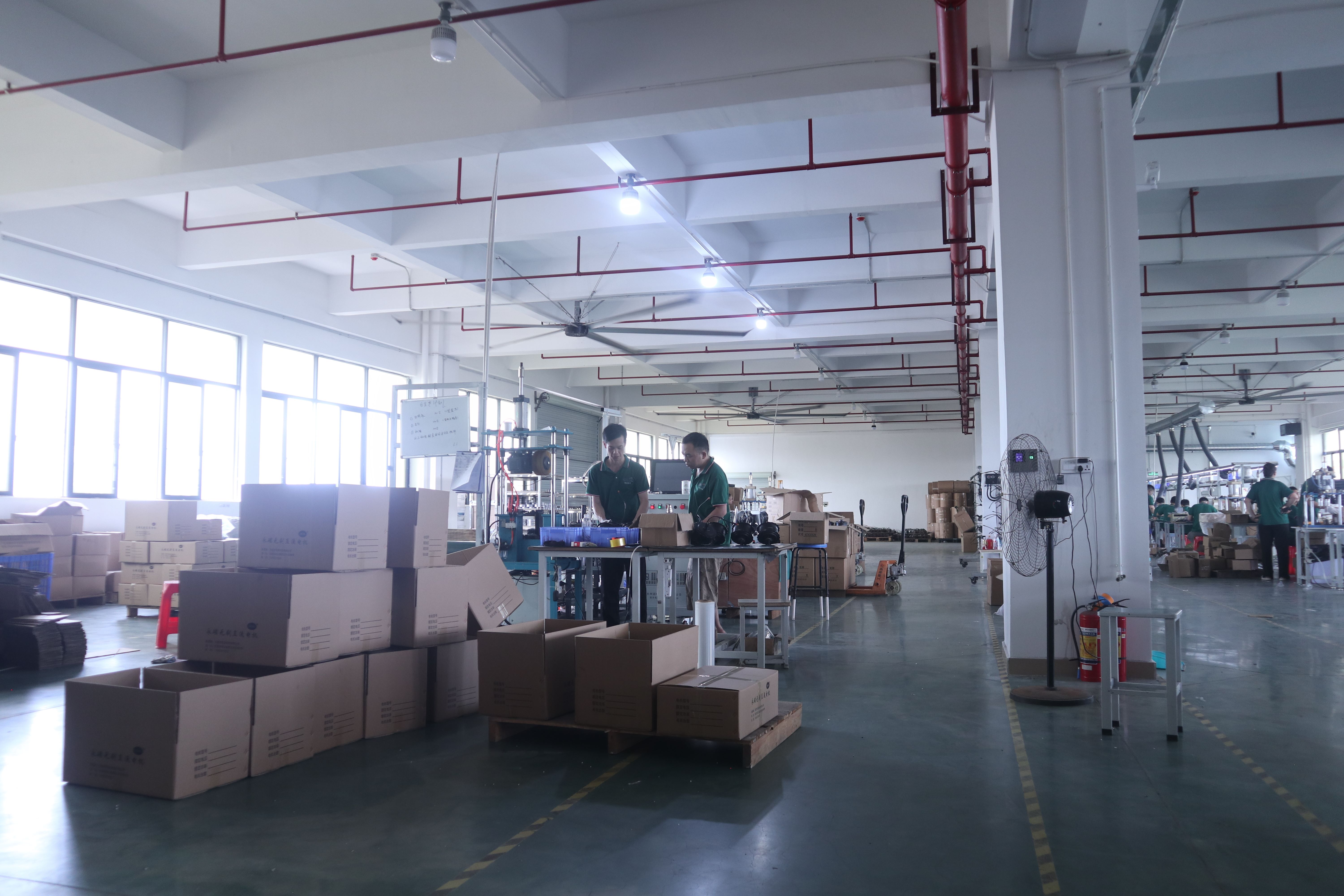
Driven by the global wave of green mobility, the global e-bike market is poised for explosive growth in 2025. According to data from authoritative industry organizations, global e-bike registrations saw a significant year-on-year increase this year, with China continuing to lead the market with a 35% share, becoming the core engine of the global e-bike industry. This achievement is attributed to both the deep cultivation of technological innovation by Chinese manufacturers and the urgent global demand for low-carbon travel.
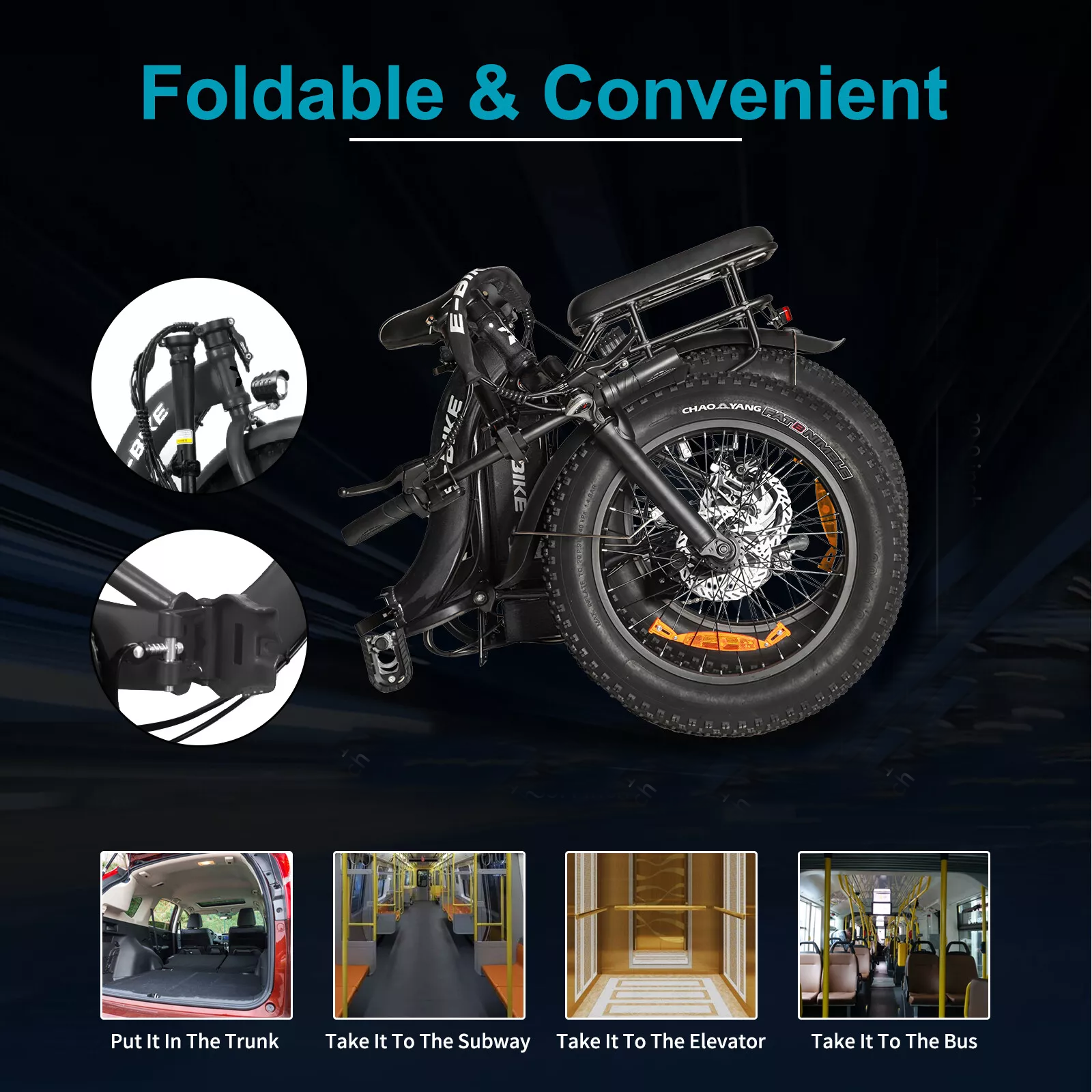
Technological Trends: Intelligentization, Lightweighting, and Long Range Become Mainstream
Currently, the e-bike industry is undergoing a transformation from a "basic transportation tool" to a "smart mobile terminal." Manufacturers are redefining the functional boundaries of e-bikes by integrating cutting-edge technologies such as the Internet of Things and artificial intelligence.
Intelligent upgrades have become industry standard. New-generation e-bikes are generally equipped with intelligent sensors and AI algorithms, capable of real-time monitoring of road conditions and automatic adjustment of power output. For example, in rainy weather, the system automatically enhances braking sensitivity, and dynamically increases torque output when climbing hills. Some high-end models even introduce voice interaction systems, supporting navigation, music playback, and vehicle status inquiries, elevating the riding experience to a whole new level.
The application of lightweight materials significantly enhances product competitiveness. Manufacturers, by using new materials such as aerospace-grade aluminum alloys and carbon fiber composites, have reduced the overall weight of the vehicle by more than 30% compared to traditional models while maintaining structural strength. This breakthrough not only improves handling agility but also extends the driving range, meeting the dual needs of urban commuting and short-distance travel.
Breakthroughs in long-range technology directly address user pain points. The commercialization of solid-state battery technology is accelerating, with energy density 50% higher than traditional lithium batteries. Combined with kinetic energy recovery systems, the driving range on a single charge exceeds 160 kilometers. Meanwhile, the widespread adoption of fast charging technology has reduced charging time to within 20 minutes, completely eliminating "range anxiety." A modular battery design launched by one manufacturer allows users to flexibly change battery capacity according to their travel needs, further expanding usage scenarios.
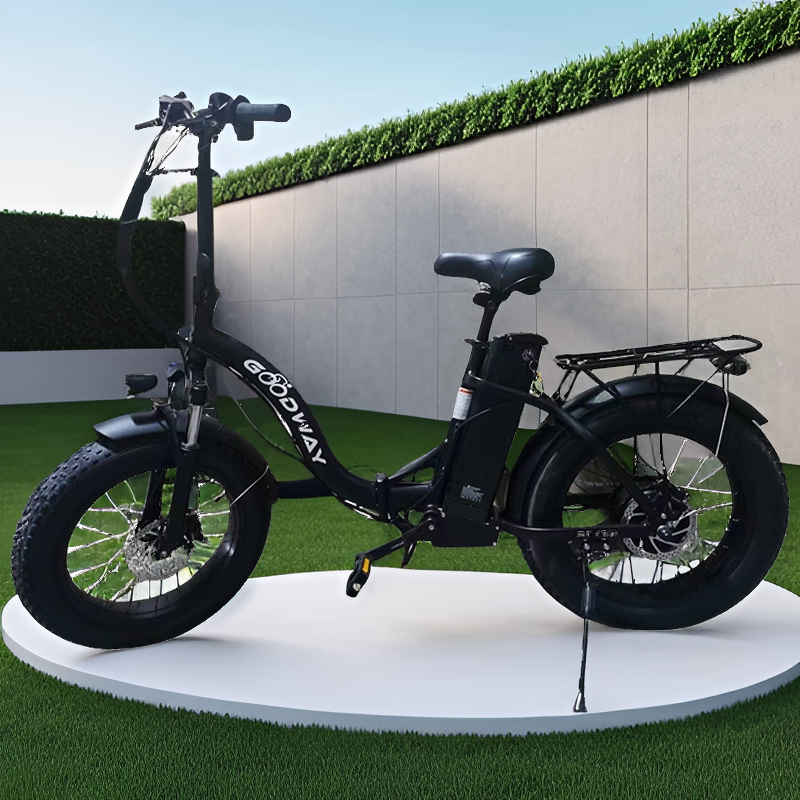
Market Demand: Policy-Driven and Consumption Upgrades Go Hand in Hand
The explosive growth of the global e-bike market is the result of the combined effects of policy guidance and consumption upgrades. In China, the full implementation of the new national standards has promoted the standardization of the industry. Meanwhile, under the "dual carbon" target, local governments have stimulated demand through measures such as vehicle purchase subsidies and charging infrastructure construction. Data shows that by 2025, the penetration rate of the Chinese e-bike market had exceeded 48%, with high-end models accounting for 40%, and consumers' willingness to pay for intelligent and personalized products significantly increased.
The European market has become the fastest-growing region. Strict carbon emission regulations have forced traditional automakers to accelerate their electrification transformation, while government subsidies for e-bikes (such as a maximum subsidy of €500 per vehicle in France) have directly boosted sales. In 2025, e-bike registrations in Europe increased by 36% year-on-year, with Germany, France, and the UK contributing over 60% of the increase. Consumers' growing acceptance of environmentally friendly travel, coupled with urban congestion and parking difficulties, has driven e-bikes from an "alternative choice" to a "preferred solution."
Emerging markets also show great potential. Southeast Asia, with its hot climate and complex road conditions, has a strong demand for lightweight and durable e-bikes. Manufacturers have successfully penetrated the local market by developing waterproof and dustproof models and optimizing motor performance for steep inclines. In Latin America, where public transportation coverage is low, e-bikes have become a key mode of transport connecting communities and commercial areas, with annual sales growth exceeding 50%.
Innovation-Driven and Global Layout
Faced with diversified global market demands, manufacturers are consolidating their competitive advantages through three major strategies:
Technological Deepening and Differentiated Competition
Leading companies are increasing their annual R&D investment to over 8%, focusing on breakthroughs in core technologies such as battery safety and intelligent driving assistance. For example, one company's fire-retardant battery pack, through material modification and structural design, reduces the risk of thermal runaway by 90% and has obtained EU EN15194:2024 certification. Simultaneously, they are launching customized products for different markets: long-range urban commuter e-bikes for the European market, waterproof and rust-resistant models for the Southeast Asian market, and high-torque cargo e-bikes for the Latin American market.
Supply Chain Collaboration and Cost Control
To cope with fluctuations in raw material prices, manufacturers are accelerating the construction of localized supply chains. In China, the Yangtze River Delta and Pearl River Delta regions have formed complete e-bike industry clusters, covering the production of core components such as batteries, motors, and controllers. Through vertical integration and large-scale procurement, companies have reduced per-bike production costs by 25% compared to five years ago, providing room for price competition. Furthermore, the application of modular design concepts allows a single model to be adapted to multiple configurations, further shortening the R&D cycle and reducing inventory pressure.
Globalization and Brand Building
Chinese manufacturers are shifting from "product export" to "brand globalization." By establishing R&D centers and production bases in Europe and Southeast Asia, companies are achieving localized production and rapid response. For example, a company's factory in Thailand adopts a "zero inventory" management model, developing models based on local market demand, and captured a 15% market share in its first year of production. Simultaneously, by sponsoring sporting events and conducting cycling culture activities, the company is enhancing its brand influence and gradually shedding its "low-price competition" label.
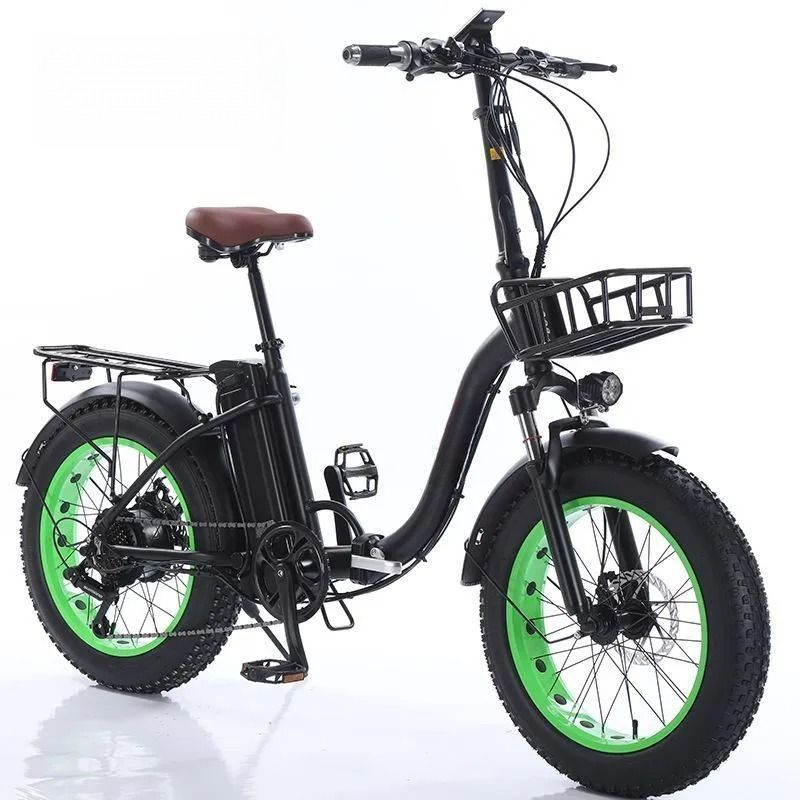
Future Outlook: Technological Iteration and Ecosystem Building
Looking ahead to 2026, the e-bike industry will enter a stage of competition based on a "smart ecosystem." The widespread adoption of vehicle-to-everything (V2X) technology will enable deep interconnection between e-bikes and smartphones and smart home devices, forming a closed-loop ecosystem of "people-vehicle-home." For example, users can remotely control e-bike charging through a home energy management system or optimize their health management plans using riding data. Furthermore, the coordinated development of shared and private e-bikes will become a trend, improving urban transportation efficiency through data sharing.
Guided by global carbon neutrality goals, e-bikes have transformed from a peripheral mode of transportation into a core vehicle for the urban mobility revolution. Chinese manufacturers, leveraging their technological accumulation and market insights, are leading this transformation to a deeper level. As one industry expert stated, "The future of e-bikes is not just a race about speed and range, but also an exploration of how to redefine mobile lifestyles."