Electric Bicycles vs. Motorcycles: Market Transformation and Technological Competition Driven by Cost, Environmental Protection, and Convenience
Against the backdrop of the accelerated global shift towards low-carbon transportation, the market competition between electric bicycles and motorcycles is shifting from simple performance competition to a deeper contest of comprehensive value encompassing cost, environmental protection, and convenience. Behind this transformation lies innovative breakthroughs in materials science, battery technology, and intelligent manufacturing, as well as a redefinition of the "lifecycle value" of transportation tools by consumers.
Cost Restructuring: A Complete Disruption from Purchase Barriers to Usage Economy
While traditional motorcycles excel in power performance, their high purchase costs, fuel expenses, and maintenance expenditures are being rapidly eroded by the "economic advantages" of electric bicycles. Data shows that the average annual operating cost of an electric bicycle is only one-third that of a motorcycle, with electricity costs less than 10% of fuel costs, and the simplified motor structure reducing maintenance frequency by 60%.
Technological innovations on the manufacturing side further amplify this gap. Innovative processes such as integrated die-cast body and brushless DC motors have increased the production efficiency of electric bicycles by 40%, while the modular design concept allows for independent replacement of core components such as batteries and motors, significantly reducing maintenance costs. In contrast, motorcycles, due to the sophisticated structure of internal combustion engines and upgraded emission standards, have seen an average annual increase in manufacturing costs of 5%, creating a stark contrast.
Environmental Game: A Dual Narrative of Zero Emissions and Carbon Reduction Across the Entire Industry Chain
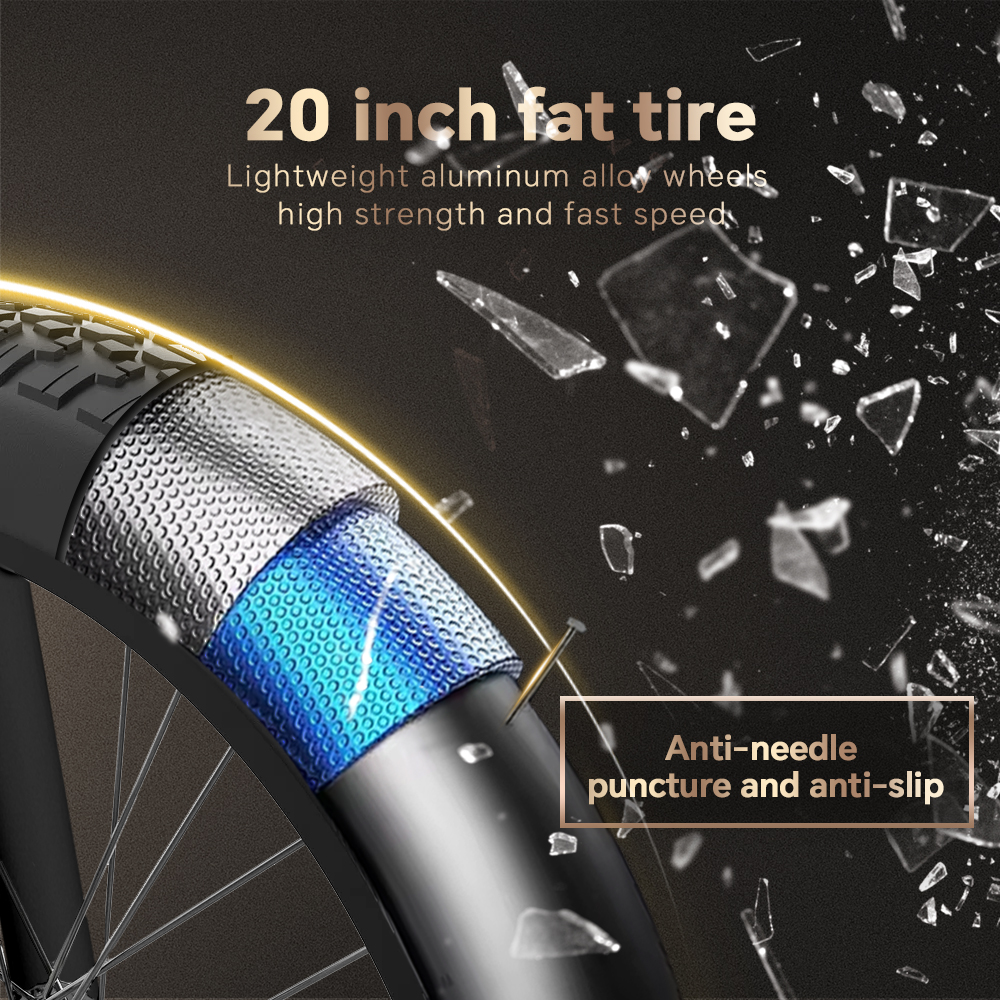
Driven by the "dual carbon" goal, the environmental advantages of electric bicycles have extended from the usage stage to their entire life cycle. Lithium-ion battery energy density exceeding 300Wh/kg, combined with regenerative braking energy recovery systems, results in an annual carbon reduction of 1.2 tons per vehicle. More importantly, leading companies have established battery recycling networks, reusing retired batteries in the energy storage field, forming a closed loop of "production-use-recycling," reducing carbon emissions by 82% compared to the entire motorcycle industry chain.
While the motorcycle industry has reduced exhaust emissions through electronic fuel injection technology and three-way catalytic converters, its inherent reliance on fossil fuels makes it difficult to break through the "emission reduction ceiling." Some companies have attempted to develop hydrogen fuel cell motorcycles, but the high cost of hydrogen production and the lack of hydrogen refueling infrastructure mean that, in the short term, they cannot compete with the large-scale carbon reduction effect of electric bicycles.
Convenience Revolution: A Two-Way Race Towards Scenario Adaptation and Intelligent Experience
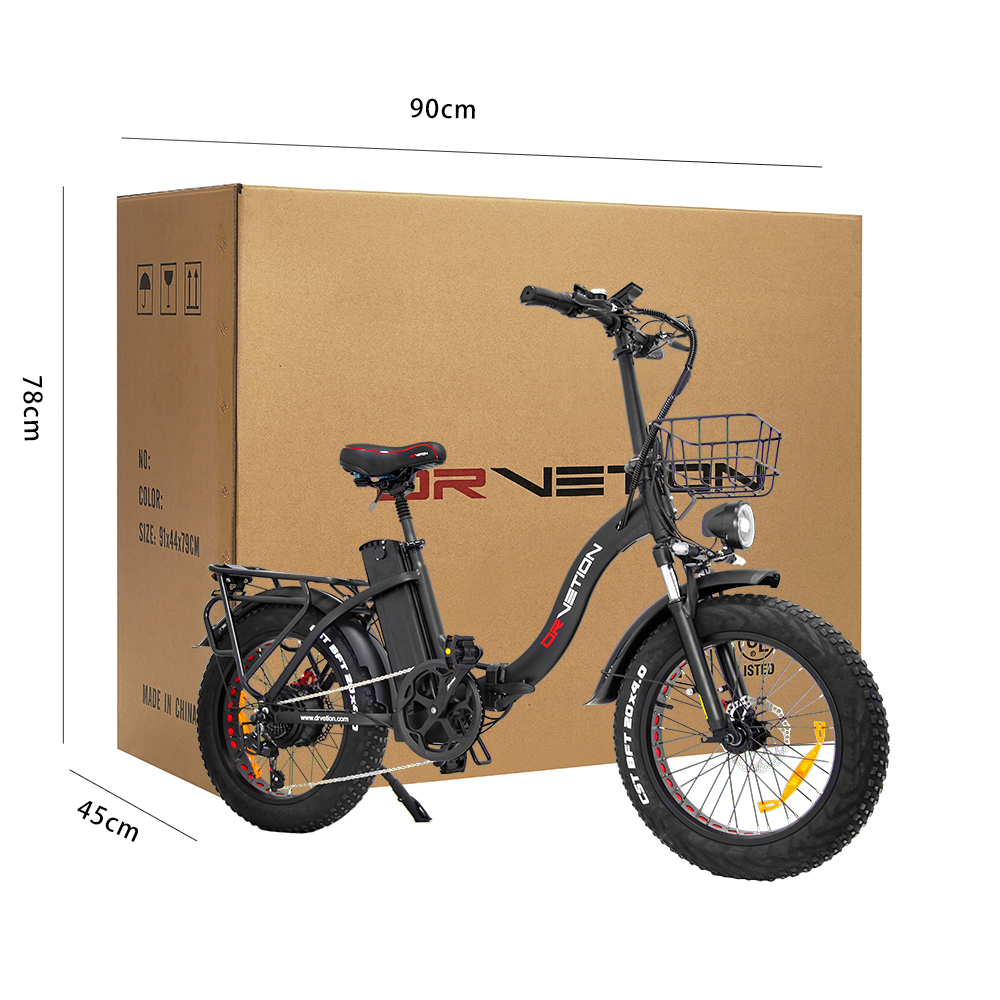
The explosive growth of electric bicycles is essentially a concentrated explosion of fragmented and intelligent demands in urban travel scenarios. Their lightweight design (mainstream models weigh ≤55kg) and maneuverability perfectly match high-frequency scenarios such as "last mile" connections and short-distance commutes. Motorcycles, on the other hand, are constrained by license plate management and parking resources, gradually shrinking their usage radius to long-distance travel.
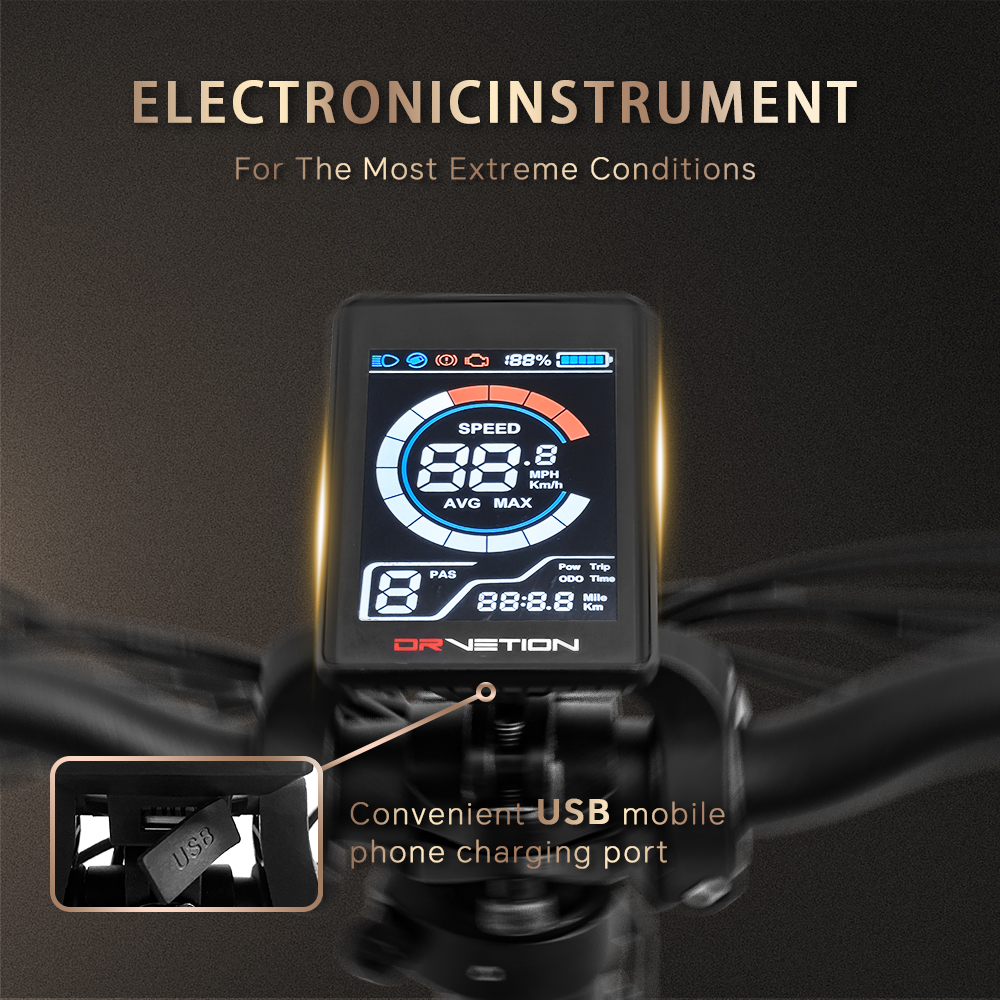
Technological integration is reshaping the meaning of convenience. Smart sensors on electric bicycles can monitor tire pressure, battery level, and riding posture in real time, sending maintenance reminders via an app; GPS positioning and electronic fence technology effectively address theft prevention. In contrast, while some high-end motorcycle models are equipped with in-vehicle connectivity systems, their high prices limit their audience to a niche market, making it difficult to achieve large-scale application.
The differentiation of market demand is forcing manufacturers to upgrade their products' quality. Electric bicycle companies, by adopting automotive-grade manufacturing standards, have increased the frame's vibration fatigue test lifespan from 100,000 cycles to 500,000 cycles, and IPX7 waterproof certification has become industry standard. Meanwhile, breakthroughs in new energy storage technologies such as sodium-ion batteries allow electric bicycles to maintain 85% of their range even in temperatures as low as -20°C, completely shattering the stereotype that "electric bikes are less cold-resistant than gasoline bikes."
The motorcycle industry, on the other hand, focuses on maximizing power performance, using technologies such as turbocharging and variable valve timing to reduce 0-100 km/h acceleration time to the 3-second range. However, this technological approach has led to an average product price exceeding 20,000 yuan, creating a competitive gap with electric bicycles and resulting in a continuously shrinking market space.
Future Trends: Technological Convergence Creates New Species
Currently, the boundaries between electric bicycles and motorcycles are becoming increasingly blurred due to technological convergence. Range-extended electric bicycles, equipped with small fuel generators, achieve a hybrid power mode of "electric drive as the primary mode and fuel supplementation as a secondary mode," achieving a range exceeding 200 kilometers. Meanwhile, motorcycle manufacturers are experimenting with paralleling in-wheel motors with internal combustion engines to create "dual-mode power" models, attempting to find a balance between performance and environmental friendliness.
It is foreseeable that with the widespread adoption of technologies such as solid-state batteries, wireless charging, and autonomous driving, future transportation tools will no longer be confined to form categories, but will be reshaped by "scenario adaptability" and "full lifecycle value" as core indicators. In this transformation, whoever can first overcome technological bottlenecks and establish a quality moat will gain the initiative in defining the next generation of transportation standards.