

Electric Bicycle (E-Bike for short) refers to a two-wheeled vehicle that is mainly powered by electricity and supplemented by human riding. The core structure includes motors, batteries, controllers and traditional bicycle frames. According to the "Safety Technical Specifications for Electric Bicycles" (GB17761-2018), domestic standards require that the vehicle has the ability to pedal, the maximum design speed does not exceed 25km/h, the motor power is ≤400W, and the vehicle weight is ≤55kg. Internationally, the EU divides E-Bike into "power-assisted" (power-assisted start, motor-assisted) and "speed-type" (pure electric drive, speed limit 25km/h), while the United States divides it into 3 categories (Class 1-3) according to power and speed.
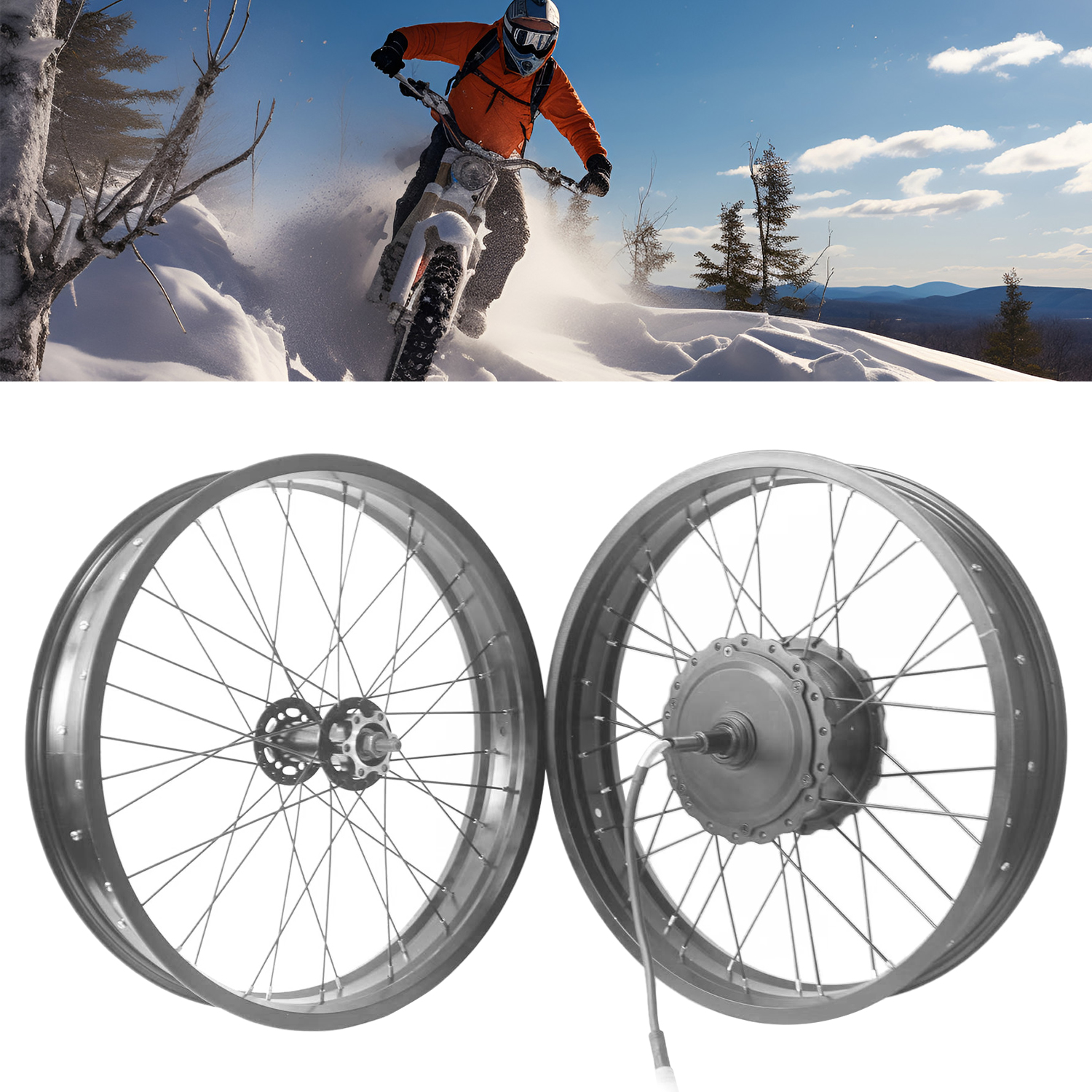
Core features (with data support)
Power system
Motor power: mainstream products are 250W-750W (power-assisted type is usually ≤250W, meeting EU standards).
Endurance: Lithium battery endurance range is 30-120km (48V 12Ah battery is about 50km, 72V 20Ah battery is over 100km).
Charging efficiency: Lithium battery charging time is 4-6 hours, life is about 500-1000 cycles (calculated as one charge every 3 days, it can be used for 4-8 years).
Performance advantages
Climbing ability: The motor torque can reach 80N·m, which can easily cope with a 15° slope (ordinary bicycles can only cope with 5°-8°).
Energy saving: The power consumption per 100 kilometers is about 1.2kWh, and the cost is less than 1 yuan (calculated at 0.6 yuan/kWh electricity price).
Environmental protection: Annual carbon reduction is about 300kg (calculated based on an average daily riding of 20km, replacing fuel vehicles).
Design innovation
Lightweight: The weight of the aluminum alloy frame is ≤18kg, and the carbon fiber model can be reduced to 12kg.
Intelligence: Equipped with LCD instrument, GPS positioning, mobile phone APP interconnection (such as Niu Electric supports OTA upgrade).
Typical application scenarios
Urban commuting
Applicable people: Short-distance travelers of 5-15km can avoid congestion and save 30%-50% commuting time.
Case: The number of E-Bikes in first-tier cities such as Beijing and Shanghai exceeds 2 million, and the average daily orders for shared electric motorcycles exceed 10 million.
Leisure sports
Mountain biking: Electric mountain bikes equipped with mid-mounted motors (such as Bosch Performance Line CX, torque 85N·m) can cope with complex terrain.
Long-distance travel: Models with a range of more than 100km (such as Specialized Turbo Vado SL) support 200km daily challenges.
Commercial delivery
Takeaway/express delivery industry: Freight electric motorcycles with a load of 150kg and a range of 80km (such as Rad Power Bikes RadRunner) have an efficiency increase of 40%.
Special groups
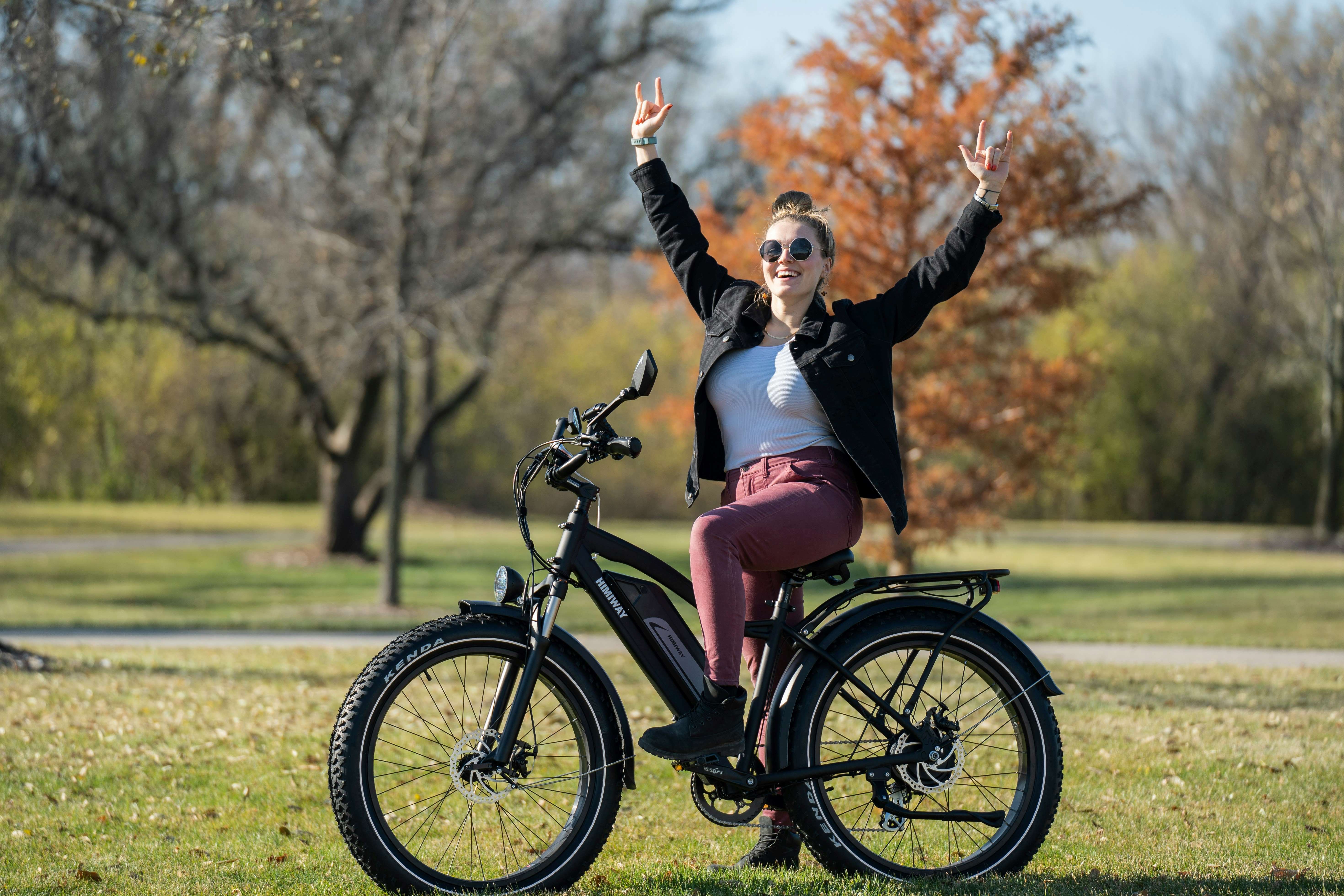
Elderly/rehabilitation population: The electric assist mode lowers the threshold for riding and maintains athletic ability.
Scientific maintenance guide
Battery maintenance
Charging specifications: avoid overcharging (≤8 hours) and over-discharging (charge ≤20%), and fully charge and discharge once a month.
Storage conditions: keep 50%-60% power for long-term storage, temperature 0-25℃, avoid moisture.
Mechanical system
Chain maintenance: clean and apply special lubricant every 200km to avoid dry grinding.
Brake system: check the thickness of the disc brake pad every 500km (≤1.5mm needs to be replaced) and adjust the brake stroke.
Tire maintenance: keep the air pressure at 3.0-4.5bar (adjusted according to the load), check the wear every 3000km (tread depth <1.6mm needs to be replaced).
Electrical system
Waterproof treatment: wipe the controller and motor interface after riding in rainy days to avoid short circuit.
Line inspection: check whether the wiring harness is aging and the connector is loose every six months.
Regular maintenance
Professional maintenance: perform a full vehicle inspection (motor, controller, sensor) every 2000km or 1 year.
Replacement of wearing parts: Brake cables and shift cables should be replaced every 5000km, and the middle shaft bearings should be maintained every 10000km.