

Ebike vs. Electric Bike: Key Differences and Practical Applications
The terms "ebike" (electric assist bicycle) and "electric bike" are often used interchangeably, but they represent distinct categories of two-wheeled electric vehicles. Below is a detailed comparison focusing on design, performance, applications, and maintenance.
Core Differences
Ebike (Electric Assist Bicycle)
Power Source: Hybrid system combining human pedaling and electric assistance.
Control: No throttle; assistance activates only when pedaling.
Weight: Typically 15–25 kg (lightweight frame + small battery).
Compliance: Often classified as bicycles, requiring no license or insurance in many regions.
Electric Bike (Electric Moped/Scooter)
Power Source: Fully electric drive (no pedaling required).
Control: Throttle-based acceleration.
Weight: 30–60 kg (heavier due to larger battery and motor).
Compliance: Often classified as mopeds or motorcycles, requiring registration, license, and insurance.
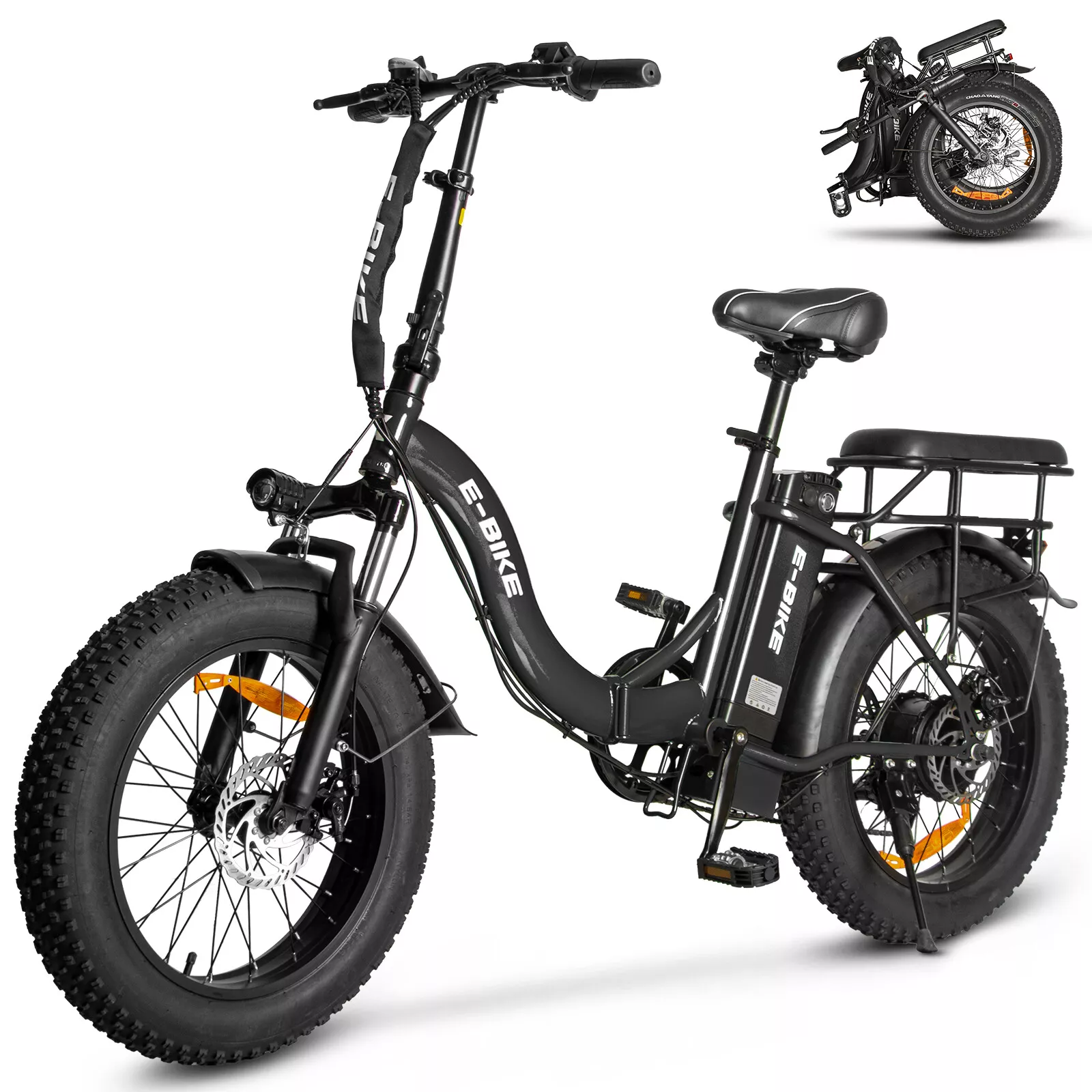
Performance Comparison
| Metric | Ebike | Electric Bike |
| Top Speed | 25 km/h (EU/China regulations) | 45–70 km/h (depending on model) |
| Range | 50–100 km (per charge) | 60–150 km (per charge) |
| Battery Capacity | 250–500 Wh (lightweight) | 1–3 kWh (high-capacity) |
| Motor Power | 250–500W (mid-drive or hub motor) | 500W–3kW (high-torque hub motor) |
| Climbing Ability | 15–20% gradient (with assistance) | 10–15% gradient (throttle-dependent) |
Advantages of Ebikes
Eco-Friendly: Zero emissions during operation.
Cost-Efficient: Lower purchase price (~1,000–3,000 vs. 2,000–5,000 for electric bikes) and reduced maintenance costs.
Health Benefits: Encourages physical activity through pedaling.
Urban Mobility: Ideal for congested cities (e.g., 20–30% faster commute times vs. cars in peak traffic).
Application Scenarios
Ebike
Commuting: Short-to-medium distances (5–20 km).
Recreation: Mountain biking, touring, or leisure rides.
Delivery Services: Lightweight cargo carriers (e.g., food delivery in cities).
Electric Bike
Long-Distance Travel: Suburban or rural commuting.
Cargo Transport: Heavy-duty models (e.g., electric tricycles for logistics).
Senior/Disabled Mobility: Throttle control for easier operation.
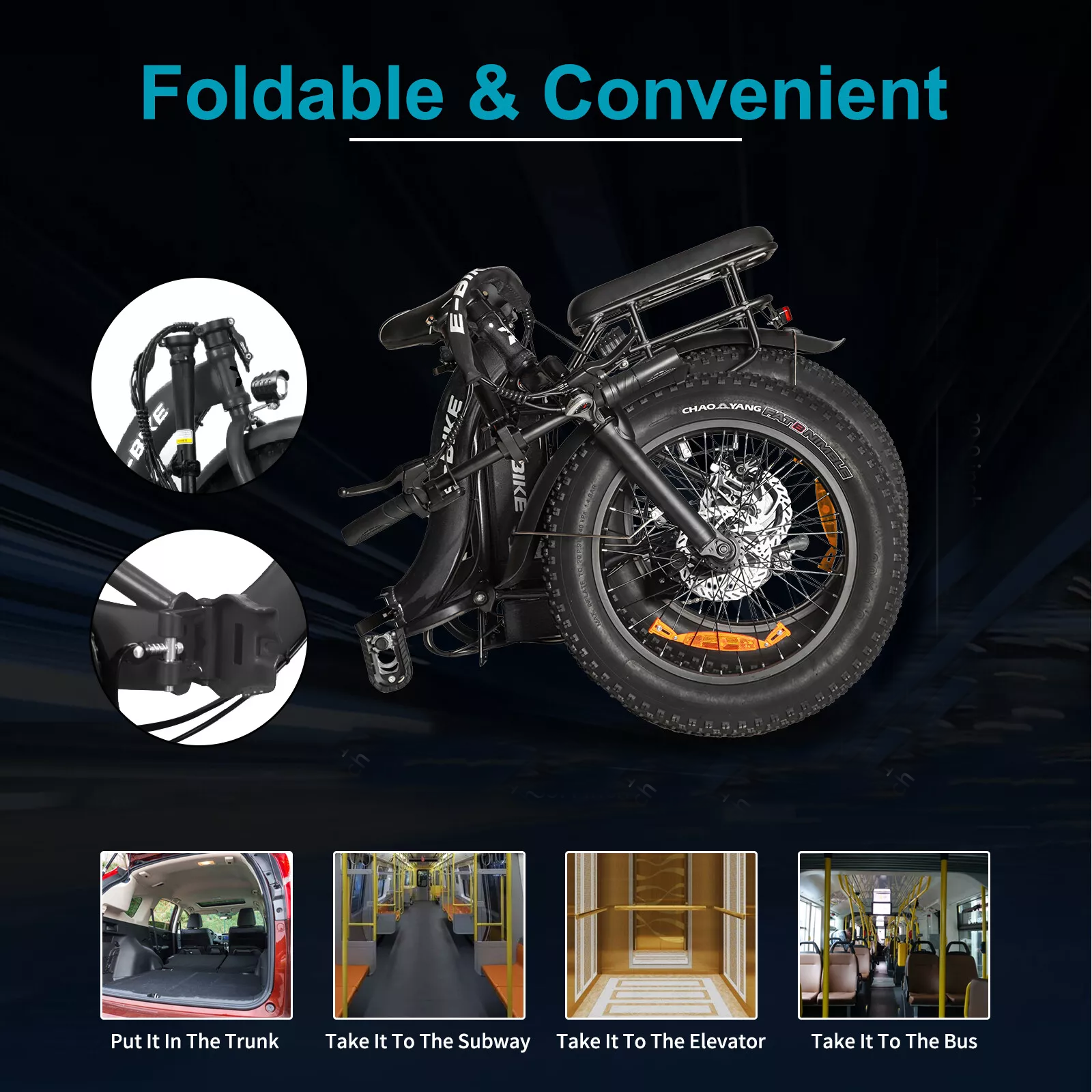
Maintenance Tips
Ebike
Battery: Charge after each use (avoid full discharge); store at 20–25°C.
Drivetrain: Clean and lubricate the chain monthly; replace worn cassette/chainrings.
Brakes: Check pads every 500 km; adjust cable tension if needed.
Electric Bike
Battery: Use manufacturer-approved chargers; avoid overcharging.
Tires: Maintain 2.2–2.4 bar (front) and 2.3–2.5 bar (rear) pressure; inspect for wear.
Motor: Inspect for debris/corrosion annually; test torque output if performance drops.
Future Trends
Ebike: Integration of IoT (e.g., GPS tracking, anti-theft alarms) and AI-assisted power management.
Electric Bike: Advances in fast-charging batteries (e.g., 80% charge in 30 minutes) and swappable battery packs.