

1. Material Advantages: The Co-evolution of Lightweight and High Strength
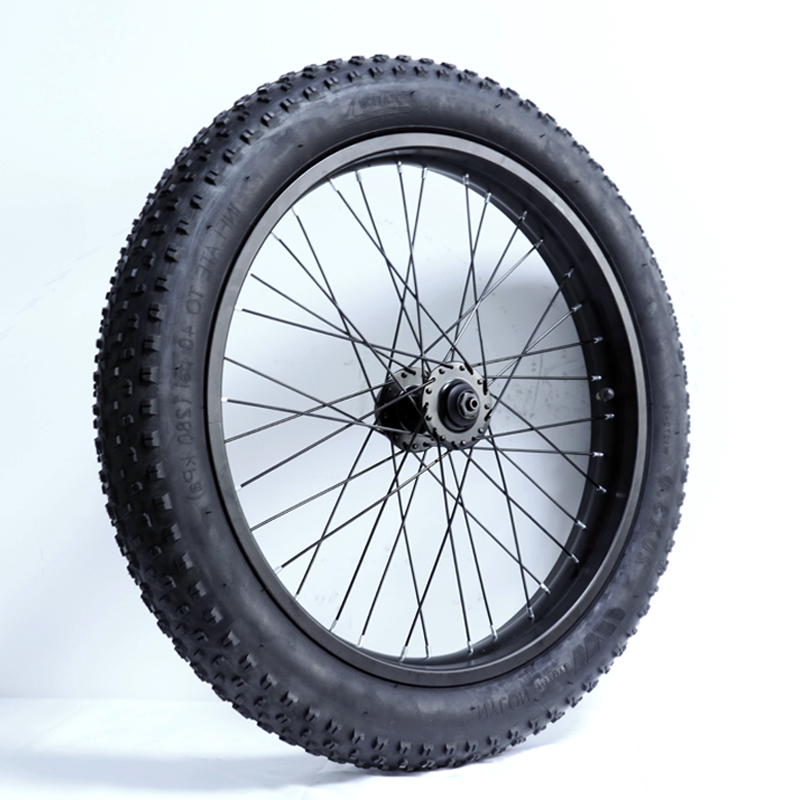
The core materials of e-bike wheels must meet the dual requirements of lightweight (reducing energy consumption) and high strength (supporting the weight of the motor, battery, and rider). This material selection significantly differs from that of conventional bicycle wheels.
Upgraded Applications of Aluminum Alloy Rims:
Mainstream models utilize 6061 or 7075 aluminum alloys, formed through forging or spinning. Compared to conventional steel bicycle wheels, aluminum alloy rims are 40% lighter and offer three times the fatigue resistance. For example, urban commuter models often utilize anodized aluminum alloy rims with a surface hardness exceeding HV300, which resists stone impacts and salt spray corrosion, extending their service life to over five years.
Breakthrough Use of Carbon Fiber Composites:
High-end e-bikes (such as the Specialized Turbo Levo and Trek Powerfly) incorporate carbon fiber materials into their rear wheels, achieving an integrated wheel-rim design through compression molding. Carbon fiber rims are 30% lighter than aluminum alloy rims, while also increasing longitudinal rigidity by 20%. This effectively reduces energy loss caused by deformation during high-speed climbing. Some models also utilize carbon fiber spokes to further reduce drag (measured drag coefficient reduction of 0.02).
Customized High-Strength Spoke Design:
E-bike spoke diameters are generally increased to 2.3-2.5mm (compared to 2.0mm for conventional bicycles). Some cargo models utilize Dante steel spokes, boasting a tensile strength of 1400MPa (compared to approximately 900MPa for conventional spokes). Spoke nipples have also been upgraded to titanium alloy, reducing weight by 50% while preventing loosening and adapting to the high-frequency vibration environment of the motor.
2. Structural Composition: Deep Integration of Powertrain and Wheelset
The structural design of an e-bike wheel requires seamless integration of the motor, battery, and transmission system to form an efficient power output unit, requiring far greater technical complexity than conventional bicycle wheels.
Embedded Hub Motor Architecture:
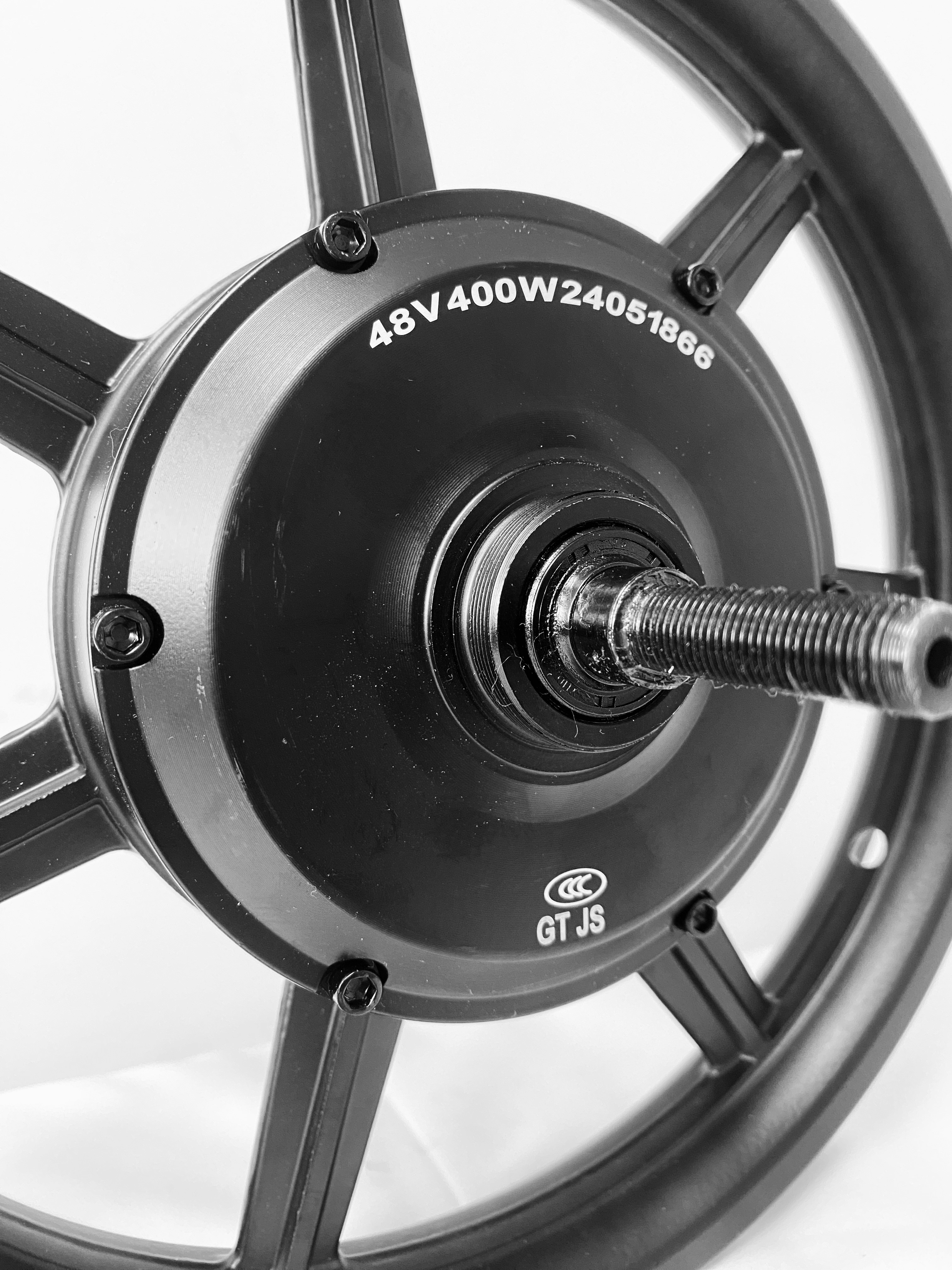
The rear-wheel drive motor is embedded directly within the wheel hub, connected to the rim via spokes. The motor stator utilizes laminated 0.2mm silicon steel sheets to reduce eddy current losses, while the rotor is embedded with neodymium iron boron permanent magnets, resulting in a 30% increase in torque density compared to conventional motors. For example, the Bosch Performance Line CX motor achieves a peak torque of 85Nm and can easily climb a 15% grade.
The specialized tire features a composite structural design:
Carcass reinforcement: Utilizing 3-4 polyester fiber plies (compared to 1-2 layers for conventional tires) combined with high-density steel belts, the tire withstands the instantaneous high torque of the motor (peak torque can reach three times that of a conventional bicycle) without deformation.
Optimized tread: Deep grooves (≥1.5mm depth) enhance wet grip, while low-rolling resistance patterns (such as the sipes in the Schwalbe Energizer series) reduce energy loss. Tests show that low-rolling resistance tires can increase e-bike range by 10%-15%. Quieting Technology: Some models, such as the Continental eContact tire, have a polyurethane foam layer embedded within the tire body. This absorbs vibrations and reduces tire noise by 3-5dB, adapting to the low-noise characteristics of e-bikes.
Integrated Quick-Release and Anti-Theft Design:
Given the high value of e-bikes, the wheel quick-release levers have been upgraded to anti-theft versions, featuring non-standard sizes or hidden lock holes. For example, the quick-release levers on Giant models require a 90-degree rotation with a dedicated key to effectively deter theft.
Power Compatibility:
E-bike tires must withstand the instantaneous high torque of the motor (e.g., torque up to 120Nm during starting), while conventional tires are designed solely for human pedaling (peak torque approximately 40Nm). Using conventional tires, the high motor torque can easily cause tire carcass tears or spoke breakage.
Range Optimization Logic:
The rolling resistance coefficient of e-bike tires must be kept below 0.008 (compared to 0.012-0.015 for conventional tires). Taking a 48V 20Ah battery as an example, low rolling resistance tires can reduce power consumption by 2-3 kWh per 100 km and increase range by 8-12 km.
Durability Standards:
E-bike tires must pass more stringent fatigue tests, such as 500 hours of continuous operation without cracking on a test bench simulating high-frequency motor starts and stops, compared to the 200-hour test standard for conventional tires.
4. Application Scenarios and Procurement Adaptation Strategies
Urban Commuting Scenario:
Requirements: Lightweight, low rolling resistance, and puncture resistance.
Recommended Solution: Aluminum alloy wheels (weighing ≤ 1.8 kg) + Schwalbe Marathon Plus tires (puncture protection layer thickness 2.0 mm, lifespan over 10,000 km). This combination balances range and maintenance costs and is suitable for users who ride an average of 30 km per day.
Mountain Cross-Country Scenario:
Requirements: High strength, high grip, and impact resistance. Recommended: Carbon fiber wheels (weighing ≤ 1.5kg) + Maxxis Minion DHF tires (4.5mm tooth depth, suitable for muddy/rocky roads). Carbon fiber wheels can reduce energy loss by 15% on bumpy roads, while the wide toothed tires provide excellent traction.
Cargo Transport Scenario:
Requirements: Ultra-high load capacity and stability.
Recommended: Thicker spokes (2.5mm) + Continental CargoContact tires (rated 150kg, 6-layer polyester carcass). These tires have 30% thicker sidewalls and can withstand a 50kg cargo load without deformation.
5. Key Considerations in Purchasing Decisions
Budget vs. Performance:
For a limited budget, choose aluminum alloy wheels + branded tires. They offer a 60% lower cost than carbon fiber options and provide adequate performance for everyday use.
For high-end customization, consider carbon fiber wheels + imported low-rolling-resistance tires, which offer a 15% increase in range and a 1.2kg weight reduction.
Motor Compatibility Verification:
Mainstream motors such as Bafang and Bosch require specific rim widths (100mm front/135mm rear). Before purchasing, confirm the compatibility of the wheel and motor model to avoid installation interference.
After-Sales Service Network:
Carbon fiber wheel repair requires specialized equipment (such as an autoclave). We recommend choosing a brand that offers joint warranty services to reduce ongoing maintenance costs.