

In recent years, driven by global green travel policies, technological innovation, and changing consumer travel demands, the modern electric bicycle industry has entered a period of rapid development. The global market scale has maintained a steady growth momentum, with regional market patterns, consumer preferences, and industrial chains constantly evolving. This article conducts an in-depth analysis of the current global market trends of the modern electric bicycle industry, exploring the core driving forces and future development directions, providing reference for industry practitioners and investors.
The global market scale of the electric bicycle industry has continued to expand, driven by multiple factors such as environmental protection policies, rising oil prices, and the popularization of low-carbon travel concepts. Data shows that the global market size has increased year by year in the past five years, with a compound annual growth rate exceeding 10%. Emerging markets such as Southeast Asia, Latin America, and Africa have become new growth engines, while mature markets such as Europe and North America have maintained steady growth with continuous product upgrades and policy support. The Electric Bicycle, as the core carrier of the industry, has gradually become a mainstream choice for short-distance travel globally, driving the continuous expansion of the entire industrial chain.
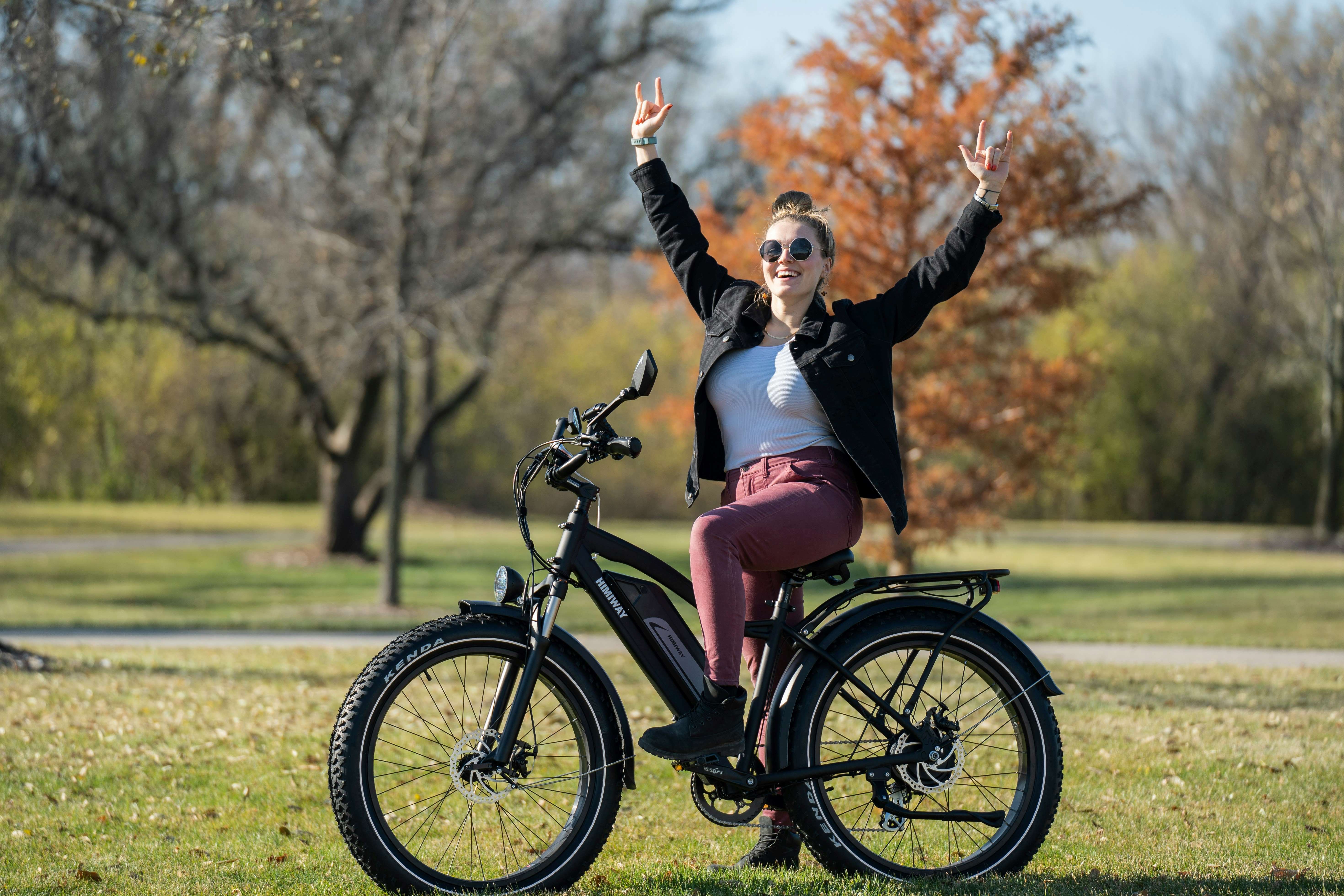
Regional market differentiation is becoming increasingly obvious, and policy guidance has become a key factor affecting market development. In Europe, strict environmental protection policies and subsidies for green travel have promoted the rapid popularization of low-carbon travel tools, and the market demand is mainly concentrated on high-end, intelligent products with excellent performance and stylish design. In Asia, countries such as China, India, and Japan have large population bases and strong demand for short-distance commuting, making the market scale the largest in the world, with product categories covering various price ranges to meet the needs of different consumer groups. Road Electric Bikes, adapted to urban commuting and road riding scenarios, have become the mainstream product type in Asian and European urban markets, driving the growth of related industrial chains such as batteries and motors.
Technological innovation is the core driving force for the high-quality development of the industry. With the continuous progress of battery technology, motor technology, and intelligent technology, the performance of related products has been continuously improved. The popularization of lithium-ion batteries has solved the problems of heavy weight and short battery life of traditional products, while the application of intelligent technologies such as GPS positioning, APP connection, and automatic assistance has enhanced the user experience. In addition, the integration of new energy and intelligent technology has promoted the upgrading of the industry, and more energy-saving, intelligent, and humanized products have been launched to meet the diversified needs of consumers.
Consumer demand is constantly upgrading, and product segmentation has become a new market trend. With the improvement of people’s living standards and the diversification of travel scenarios, consumers’ requirements for products are no longer limited to basic travel functions, but pay more attention to comfort, safety, and personalization. Mountain Electric Bikes, designed for outdoor sports and complex terrain, have gradually gained popularity among outdoor enthusiasts, becoming a new growth point in the global market. At the same time, the demand for folding, lightweight, and intelligent products is increasing, promoting enterprises to accelerate product research and development and market layout.
The industrial chain is continuously improved, and the integration trend is becoming increasingly obvious. The upstream of the industry includes raw material suppliers such as batteries, motors, and frames, the midstream includes manufacturers of complete vehicles and key components, and the downstream includes sales channels, after-sales services, and rental platforms. In recent years, with the intensification of market competition, enterprises have begun to strengthen the integration of the industrial chain, optimize the supply chain layout, and reduce production costs. At the same time, cross-border cooperation has become more frequent, and enterprises in various countries have carried out technical exchanges and market expansion, promoting the globalization of the industry.
Looking to the future, the global electric bicycle industry will continue to maintain a steady growth trend, but it will also face challenges such as intensified market competition, rising raw material prices, and inconsistent regional standards. With the continuous advancement of policies, technological innovation, and the upgrading of consumer demand, the industry will gradually move towards high-quality, intelligent, and low-carbon development. It is expected that in the next five years, the global market scale will continue to expand, and emerging markets will become the main driving force for growth, while technological innovation and product segmentation will become the core competitiveness of enterprises in the industry.