

As global low-carbon travel demand continues to surge, the entire two-wheel electric mobility industry is undergoing comprehensive technological iteration. Among all development dimensions, material innovation has become one of the most critical driving forces that reshape industrial standards and user experience. Advanced new materials effectively solve traditional industry pain points such as heavy weight, poor durability and insufficient environmental adaptability, promoting the overall upgrading of supporting accessory sectors and laying a solid foundation for long-term industrial growth
In recent years, lightweight and high-strength new materials have been widely applied in the supporting manufacturing field. The Ebike Conversion Kit industry has completely changed its previous reliance on ordinary iron and cheap aluminum alloys. New aviation-grade aluminum alloy and carbon fiber composite materials have greatly reduced the overall structural weight while maintaining structural rigidity. This material upgrade effectively reduces riding load, optimizes vehicle power consumption efficiency, and significantly enhances cruising performance, making retrofitted electric travel more energy-saving and efficient.
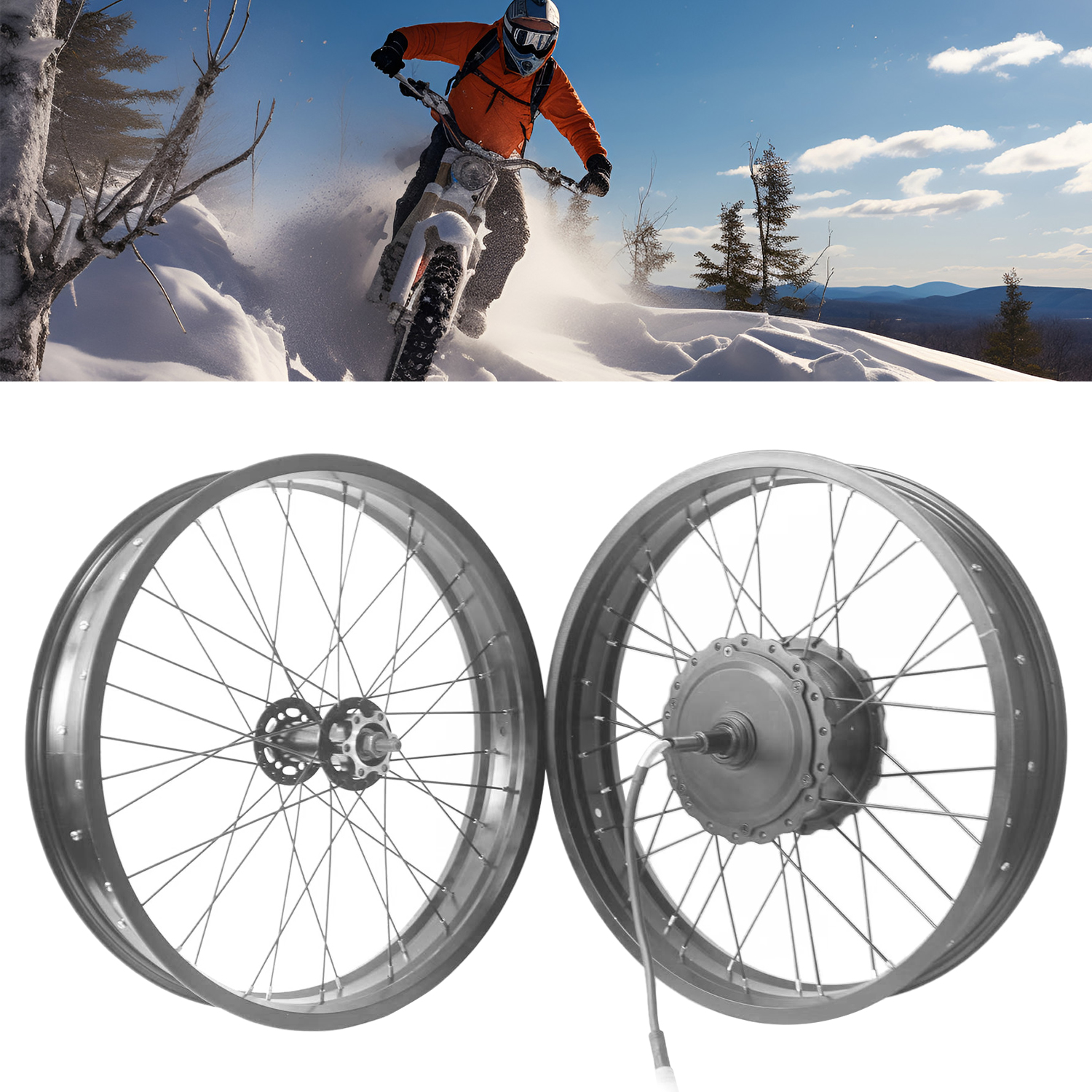
Corrosion-resistant and waterproof material optimization also greatly improves the environmental adaptability of industry products. Traditional accessories are prone to aging, rust and circuit failure under humid, rainy and high-temperature outdoor environments. With the popularization of new polymer sealing materials and anti-oxidation metal coating technology, core structural and electronic components achieve stable operation in complex weather. The Bicycle electric conversion kit related manufacturing standards have been further raised, greatly extending service life and reducing post-maintenance costs for global users.
In addition to structural and protective materials, energy conduction materials have also achieved major breakthroughs in the industry. New high-conductivity copper alloy materials and insulated flame-retardant polymer materials optimize the internal energy transmission structure of auxiliary systems. These innovative materials reduce circuit loss and avoid overheating and short-circuit risks during high-load operation. Such technical upgrades greatly improve the safety and stability of the complete set of auxiliary equipment, meeting the increasingly strict safety certification requirements of European and American markets.
Intelligent composite materials have become a new development direction leading industrial iteration. With the integration of temperature-sensitive and pressure-sensitive new materials, auxiliary equipment can realize real-time monitoring of operating temperature and load changes. Once abnormal working conditions occur, the system will automatically trigger power protection. The E-bike conversion system built with new intelligent materials realizes more humanized and safer operation logic, greatly improving the overall intelligence level of retrofitted electric vehicles.
Material innovation also brings positive changes to industrial production and environmental protection. New environmentally friendly recyclable materials reduce industrial production pollution and lower raw material comprehensive costs. While improving product performance, manufacturers realize green and sustainable production, which is highly in line with the global carbon neutrality development strategy. As material research and development technology continues to mature, the industry will further break through performance bottlenecks such as load capacity, durability and safety.