

With the rapid popularization of smart travel and new energy mobility, the global two-wheel electric vehicle industry is shifting from basic functional iteration to intelligent, high-efficiency and safe upgrading. As the core power regulation core of electric travel equipment, control core components are ushering in unprecedented technological transformation. Intelligentization has become the core development direction of the global industry, driving overall industrial chain upgrading, optimizing user riding experience, and adapting to increasingly stringent international industry standards and market demands.
Driven by global intelligent manufacturing technology, the Electric Bicycle Controller is gradually getting rid of traditional single power regulation functions and moving toward multi-functional intelligent integration. Traditional control devices only focus on basic speed adjustment and power output, while new generation products integrate intelligent sensing, data analysis and automatic adaptation functions. These upgraded modules can automatically identify road conditions, adjust power output in real time, and match optimal operating parameters according to riding habits, effectively improving riding smoothness and energy utilization efficiency, which has become a key competitive point in the global market.
The continuous iteration of chip technology and algorithm optimization lays a solid foundation for industrial intelligent upgrading. The E-bike controller relies on high-precision intelligent chips and embedded intelligent algorithms to realize real-time monitoring of vehicle status. It can accurately capture data such as battery temperature, current fluctuation and motor operating status, and trigger intelligent protection mechanisms in case of abnormal conditions such as overheating, overcurrent and short circuit. This intelligent protection capability greatly improves the safety of electric travel and meets the safety certification requirements of Europe, North America and other mature markets.
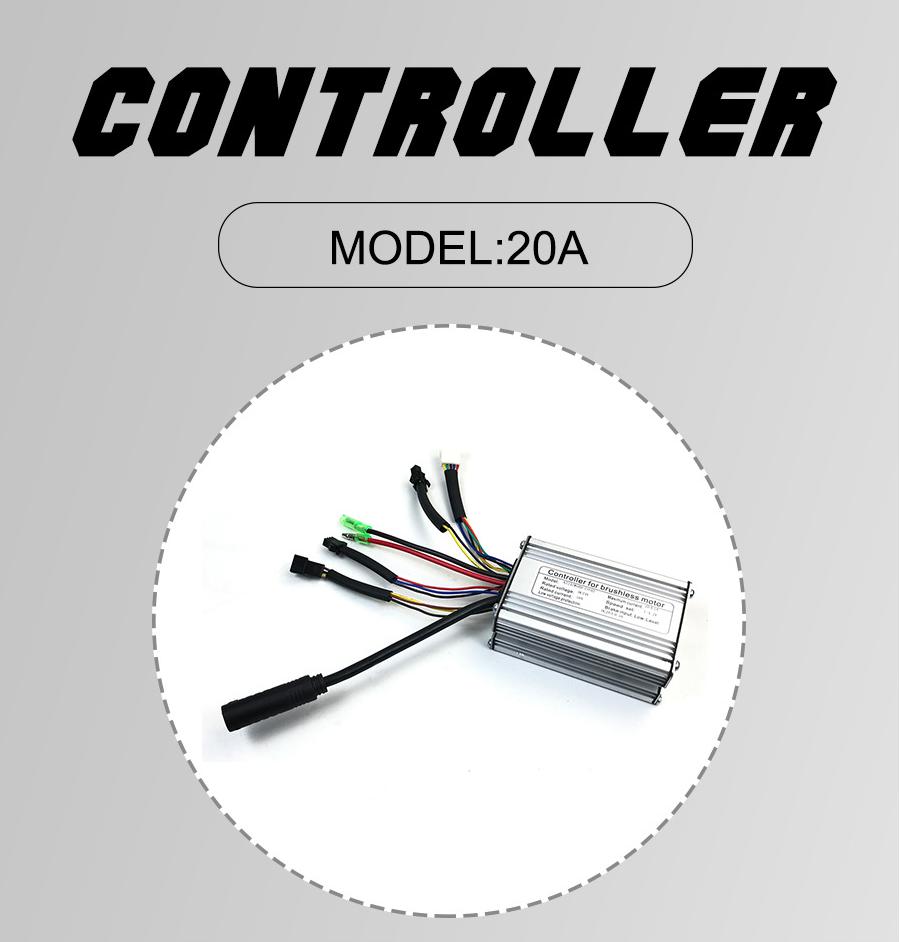
Personalized intelligent adaptation is another major trend leading market development. Different riding scenarios and user groups have put forward differentiated requirements for power control logic. The Bicycle motorized controller has realized customizable intelligent mode switching through technological innovation, adapting to urban commuting, outdoor leisure and daily short-distance travel scenarios. Riders can freely adjust power sensitivity and speed response modes, breaking the limitations of fixed parameters of traditional equipment and greatly improving the flexibility and applicability of intelligent travel equipment.
In addition to functional intelligence, remote interconnection and intelligent linkage have become new industry hotspots. The Electric bike motor controller supports intelligent docking with mobile terminals and vehicle display systems, realizing real-time data viewing, fault self-detection and remote parameter adjustment. Users can check vehicle operating status through mobile apps, view remaining battery power and riding mileage, and even remotely lock equipment to ensure travel safety. This intelligent interconnection function perfectly fits the intelligent travel needs of modern users.
From the perspective of the global industrial market, intelligent upgrading will further promote market segmentation and industrial standardization. Mature overseas markets pay more attention to intelligent safety and energy-saving performance, while emerging markets focus on cost-effective intelligent basic functions. Global manufacturers are increasing R&D investment in intelligent algorithms, sensing technology and interconnection modules, accelerating the elimination of low-end and backward traditional products. At the same time, the popularization of intelligent technology is also promoting the unification of international industry technical standards.
In the future, with the integration of artificial intelligence, big data and Internet of Vehicles technology, the intelligent level of core control components will be further improved. Adaptive intelligent power distribution, automatic fault diagnosis and intelligent energy-saving optimization will become standard configurations of the industry. Overall, the global industry will continue to move toward high intelligence, high safety and high efficiency, bringing more comfortable, safe and intelligent travel solutions for global electric vehicle users.